Family Court and the Unethical Practices

What secrets are family courts hiding???

Dr. David Timpanaro, CEO of Step Up Family Services connects with Catherine Jones to discuss Family Court. Dr. Timpanaro has been involved in this area of the field for over two decades.

It starts in a courtroom with no cameras, no public transcripts, and no clear accountability. But, behind those closed doors, a quiet pattern is repeating itself. According to Dr. David Timpanaro, the CEO of Step Up Family Services in New Jersey, in recent years, mothers are losing custody, and “experts” are profiting. And children? Well, they’re caught in the middle of it all. Welcome to family court.

Please read and share if it hits for you:

Behind Closed Doors: What Family Court Doesn’t Want You to See

It starts in a courtroom with no cameras, no public transcripts, and no clear accountability. But, behind those closed doors, a quiet pattern is repeating itself. According to Dr. David Timpanaro, the CEO of Step Up Family Services in New Jersey, in recent years, mothers are losing custody, and “experts” are profiting. And children? Well, they’re caught in the middle of it all. Welcome to family court.

A System Built on Silence

Timpanaro says he’s been in the family court trenches for decades, as a professional working within the system. He holds a PhD in multidisciplinary human services, with a focus on what he calls “practices around children and families.” His job is to create what he describes as “a wraparound plan to ensure the success of that child and family,” pulling together court systems, therapists, schools, and psychiatrists who, he explains, often don’t communicate at all. But the courts are not working as planned. And he says that what he has seen from inside that system is deeply troubling.

“You have children and families that have court involvement, psychiatry involvement, psychology involvement, school and IEP involvement, private therapist involvement, and none of these entities talk to each other,” he says.

In fact, he says he has noticed a concerning and recurring issue in the past decade: the courts have turned against mothers. And that breakdown opens the door for unethical practices, often hurting the very people the system is designed to protect. What may seem shocking to the public is just routine in the family court world, he says. One example is a case unfolding in Jesup, Georgia, where a child has been removed from her mother’s home completely, without due process.

“It’s not unusual,” Timpanaro says.

Experts Without Oversight

Timpanaro believes real change must include transparency, retraining, and oversight. Because the stakes are too high. “These professionals thrive in a system that’s fractured,” he says.

“They can manipulate things, and there’s almost no oversight. Judges rely too heavily on their word, even when those so-called experts are acting unethically. That’s dangerous.”

The emotional toll runs deep, not only for the parents caught in the system, but for the children whose futures hang in the balance.

“When I entered family court, I believed it was about truth and justice. I quickly learned it was about business transactions,” Tina Swithin, founder of the advocacy organization One Mom’s Battle, writes. “To the system, your life is another case file, another hearing, another line on the docket. It is inhumane and calloused. … Expecting justice or fairness in family court is like searching for an avocado in a hardware store.”

The Rise of the Pink Sign Protest

Still, there is hope. Across the country, concerned mothers and other victims of family court are stepping out of the shadows. They’re showing up with hot pink signs and undeniable stories.

“There’s hope in that,” he says. “Once people start pulling back the curtain, it’s hard to unsee what’s really going on.”

The signs are part of a growing national, grassroots movement to bring awareness to the country’s family court system. Recently featured on the WPLG’s World News segment, the hot pink sign movement started with a handful of mothers demanding visibility and has since grown into a national symbol of protest and survival.

The Pink Signs That Say Everything

From front yards in Georgia to sidewalks in California, the hot pink signs with children’s photos are raising awareness, one family court case at a time. Much like the pink ribbons for breast cancer awareness, these signs are turning a spotlight on a crisis that has long remained hidden for years. Each sign carries the message that something is deeply wrong inside the nation’s family court system.

Timpanaro and a growing network of advocates believe these signs will awaken the public to the need for urgent reform. They see them as the start of a national reckoning. The hot pink signs force the country to ask a long-overdue question: what happens when the system meant to protect families becomes the one that tears them apart?

https://medium.com/@cathyjonesfsu/behind-closed-doors-what-family-court-doesnt-want-you-to-see-930ce398c319


Collaborating for successful ABA and Mental Health goals!

The Power of Wraparound Collaboration: Transforming Mental Health and ABA Services
At Step Up Family Services, we believe that healing and growth don’t happen in isolation—they happen through connection. That’s why we champion the wraparound model: a collaborative, family-centered approach that brings together a team of professionals, caregivers, and community supports to create a unified plan for each individual’s success.

What Is Wraparound Collaboration?
Wraparound collaboration is more than just a buzzword—it’s a structured, holistic approach to care. Originally developed to support children with complex emotional and behavioral needs, the wraparound model ensures that all service providers—mental health therapists, ABA specialists, educators, and family members—work together toward shared goals 1.

At the heart of this model is a dedicated care coordinator who ensures communication flows smoothly between all parties. This person helps align strategies, track progress, and adjust plans as needed, ensuring that the individual’s needs remain front and center.

Why It Matters in Mental Health and ABA Services
Mental health and ABA (Applied Behavior Analysis) services often intersect, especially for children and adolescents with autism, ADHD, anxiety, or trauma-related challenges. Without collaboration, these services can become fragmented—leading to confusion, inconsistent strategies, and missed opportunities for progress.

Here’s how wraparound collaboration makes a difference:

Consistency Across Environments: When ABA therapists and mental health counselors share insights and strategies, children receive consistent support at home, in school, and in therapy sessions.
Family Empowerment: Families are not just passive recipients of care—they’re active members of the team. Wraparound planning ensures their voices are heard and their strengths are leveraged.
Faster, More Sustainable Progress: Unified goals and coordinated interventions reduce redundancy and accelerate growth.
Crisis Prevention and Response: With a team in place, families have a built-in support network ready to respond to challenges before they escalate.
Real Impact, Real Stories
At Step Up Family Services, we’ve seen firsthand how wraparound collaboration transforms lives. Whether it’s a child learning to regulate emotions more effectively or a family finally feeling supported and understood, the outcomes speak for themselves.

One parent shared:

“My daughter currently receives services through Step Up and we could not be happier. They have gone above and beyond and consistently exceed our expectations. My team is amazing and I cannot thank them enough for their continued support.”

Our Commitment to Holistic, Family-Centered Care
With locations in Brick and Parsippany, NJ, our team of Board Certified Behavior Analysts (BCBAs), licensed therapists, and care coordinators are dedicated to providing personalized, wraparound support. Whether through in-home ABA therapy, outpatient counseling, or diagnostic services, we’re here to walk alongside you—every step of the way.

Ready to experience the difference of wraparound care?
Contact us today to learn how we can build a support team tailored to your family’s needs.

Wraparound The World!

Step Up Family Services Aba Therapy Staff at Wraparound conference


This conference was really eye-opening, Jay and the Wraparound the World crew are the foundation of all human service. (mentalhealth, behavioralhealth, psychiatricservices, schools) WRAPAROUND  we are at a pivotal moment in where we can continue down the path of closing JDCs through wraparound or revert back to case management and increase recidivism again.

It is time to be proactive instead of reactive. The wraparound model is more than what is presented. It is the designed base for the NewJersey children's system of Care, but it should be incorporated in all mentalhealth and BehavioralHealth treatment. it's time to fix our JuvenileJustice & CriminalJustice systems. Autism ABA SubstanceAbuse
it was an honor to present with Ken McGill at the20255 National Wraparound Conference.

Dr. David Timpanaro- Presenting

While at the 2025 National Wraparound Conference, I was given the opportunity to present how hashtagwraparound reduces hashtagrecidivism and can reduce workload through shared responsibilities. Please see my slides by scanning this QR Code.

***NO WAITLIST ASSESSMENTS***
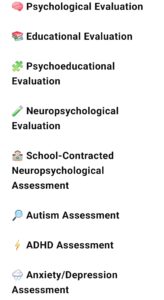
No-Waitlist Assessments
Step Up Family Services for your Mental and Behavioral Health Assessment needs!
No-Waitlist Assessments
Step Up Family Services for your Mental and Behavioral Health No waiting Assessments for your needs!

Healing Childhood Scars: Trauma-Focused Therapy

Childhood should be a time of innocence and joy. For many, however, it leaves emotional scars. These experiences can affect relationships, self-confidence, and overall well-being. If you’re ready to heal from these painful experiences, trauma-focused therapy can offer the support you need to transform and rebuild. 

Trauma-focused therapy offers more than surface-level solutions; it’s a compassionate approach that helps you safely work through, understand, and begin to release the weight of past pain.

In this blog post, we’ll explore how trauma-focused therapy can be a powerful tool for healing, helping you reclaim strength, rebuild trust, and move toward a brighter future.

What is Trauma-Focused Therapy?

Trauma-focused therapy (TFT) is a specialized approach that helps people of all ages process and heal from traumatic events, especially those from childhood.  These experiences can range from physical or emotional abuse to neglect, witnessing violence, or experiencing a natural disaster. 

The goal of TFT is to help individuals understand and make sense of their traumatic experiences, develop coping skills, and build healthy relationships. 

What Techniques Are Used in Trauma-Focused Therapy?

Knowing some common techniques used in this type of therapy can be helpful. 

They may include: 

Tips for Finding the Right Trauma-Focused Therapist

Finding a therapist who is a good fit for you is essential for successful therapy outcomes. 

Here are some tips to help you find the right trauma-focused therapist: 

  1. Look for a therapist specializing in trauma: This therapist will have a deeper understanding of the complexities and be better equipped to help you heal. 

They should also have qualifications such as Licensed Clinical Social Worker (LCSW) and Licensed Associate Counselor (LAC). 

  1. Consider the therapist’s approach: There are various approaches to trauma therapy, so finding one that resonates with you is important. 

For example, if you are interested in CBT, look for a therapist who is trained in this modality. 

  1. Read reviews and ask for recommendations: Online reviews and recommendations from friends or family can be helpful in finding a therapist. 

It can give you an idea of what to expect from the therapist and their approach.

  1. Trust your gut: Feeling comfortable and safe with your therapist is essential. 

If you feel uneasy or uncomfortable during the initial consultation, it may be a sign that this therapist is not the right fit for you.

Experience Healing with Trauma-Focused Therapy in Parsippany, NJ

You don’t have to carry the weight of past trauma alone.  At Step Up Family Services, our compassionate, highly trained therapists are here to offer trauma-focused therapy to support you.  Through our services, many of our clients have found healing and regained a sense of peace, and we’re here to help you do the same. 

Here’s what a few of them have had to say:

"My experience with Step Up Family Services was very positive. Their professionalism, compassion, and commitment to their mission were evident. Dr. David has a wealth of knowledge." 

Andres Lesmes 

"Everyone at Step Up goes above and beyond for families needing their services. They are very friendly, personable, and professional. Dr. Dave made my family and I feel comfortable and at ease. I trust everyone involved in Step Up Family Services 100%!" 

Kathie Mendez

Ready to find peace and healing? Schedule an appointment with us today.

Why Trauma-Focused Therapy is Key to Overcoming Trauma

If you've experienced trauma, you know it’s not something you can simply “get over.” Trauma can leave deep emotional scars that show up in your daily life, often in ways you might not expect.  From anxiety and flashbacks to trouble in relationships or even physical symptoms, trauma has a way of affecting you long after the event. That’s where trauma-focused therapy can help you heal. 

In this blog post, we'll explore how trauma-focused therapy can be a crucial step toward finding relief and regaining control over your life.

What is Trauma-Focused Therapy?

Trauma-focused therapy is a specialized approach that recognizes the impact of trauma on a person's mental, emotional, and physical well-being.  This therapy is designed to help individuals process and heal from traumatic experiences, such as abuse, neglect, violence, accidents, or natural disasters. 

How Does Trauma-Focused Therapy Differ from Traditional Therapy?

Trauma-focused therapy differs from traditional therapy in its specialized focus on addressing trauma and its effects. While traditional therapy may address trauma as it arises, it does not solely focus on it as the primary concern. 

In contrast, trauma-focused therapy is specifically designed to address the impact of trauma and help you process and heal from it. Trauma-focused therapy also differs from traditional therapy in its structured and evidence-based approach. It typically involves a specific treatment plan and techniques that have been proven effective for treating trauma.

What are the Different Approaches to Trauma-Focused Therapy?

There are various approaches to trauma-focused therapy, but some common ones include:

  1. Cognitive-Behavioral Therapy (CBT): CBT focuses on identifying and changing negative thoughts and behaviors. 

In trauma-focused CBT, the therapist will help you understand how your traumatic experience has affected your thoughts and behaviors and teach you coping skills to manage them. 

  1. Eye Movement Desensitization and Reprocessing (EMDR): EMDR uses eye movements or other forms of bilateral stimulation to help you process and make sense of traumatic memories. 

This approach aims to reduce the power of traumatic memories and help you develop more adaptive thoughts and behaviors. 

  1. Narrative Therapy: This approach involves exploring your personal story and how trauma has impacted it. 

The therapist helps you reframe your narrative and develop a more positive and empowering understanding of your experience. 

What are the Benefits of Trauma Therapy?

Trauma-focused therapy offers numerous benefits, including: 

  1. Healing from Trauma: By addressing and processing traumatic experiences, you can find relief from symptoms and move towards a healthier and happier life. 
  2. Improved Coping Skills: Trauma therapy can also help you develop coping skills to manage difficult emotions and triggers related to your trauma. 

This can allow you to regulate your emotions better and function more effectively in your daily lives. 

  1. Increased Self-Awareness: Through trauma therapy, you can gain a deeper understanding of how your traumatic experiences have affected you and your behaviors. 

This self-awareness can lead to personal growth and a better understanding of oneself. 

  1. Better Relationships: Trauma therapy can also improve your relationships by helping you overcome the barriers that trauma may have created. 

This can lead to stronger and more fulfilling connections with others. 

  1. Improved Overall Well-Being: Addressing and healing from trauma may improve your physical and mental health, increase self-esteem, and a greater sense of control over your life.

There’s Hope with Trauma Therapy in Parsippany, NJ

Healing from trauma can be tough, but you don’t have to go through it alone.  At Step Up Family Services, we believe you can regain control over your life. Our caring team supports you and gives you a safe place to work through your experiences at your own pace. Schedule an appointment with us today.

Breaking Free from the Past: Trauma Release Therapy for PTSD

The weight of past trauma can feel overwhelming, making it hard to find peace or move forward. 

 For those with PTSD, each day can feel like a battle against memories that won’t fade. Trauma-release therapy offers a way to lift that burden, allowing you to regain control and find lasting relief.

Let’s explore how it offers hope and support to those ready to break free from the grip of the past.

How Does Trauma Affect Our Mental Health?

Trauma is an emotional response to a distressing event. When the brain perceives a threat to our safety, it triggers a stress response that releases hormones like adrenaline and cortisol. These hormones help us respond to danger by increasing our heart rate, blood pressure, and breathing. 

However, When trauma is ongoing or overwhelming, our bodies can stay stuck in a state of stress, resulting in PTSD symptoms that affect both the mind and body. Post-traumatic Stress Disorder (PTSD) is a mental health disorder that occurs after experiencing or witnessing a traumatic event. 

It can cause a range of symptoms, including flashbacks, nightmares, avoidance of triggers, heightened anxiety and fear, and difficulty managing emotions. If left untreated, PTSD can significantly impact a person’s life and relationships.

Who is Most Likely to be Affected by PTSD?

While PTSD can affect anyone, some groups may face a higher risk. However, some groups are more likely to develop PTSD than others.  

These include:

What is Trauma Release Therapy?

Trauma Release Therapy is a holistic approach to treating PTSD. It’s based on the understanding that traumatic experiences can become “stuck” in the body, leading to physical and emotional tension. By releasing this tension, you can experience relief from your symptoms and begin to heal from your trauma. 

It combines elements of traditional talk therapy with body-based techniques, such as somatic experiencing and EMDR (Eye Movement Desensitization and Reprocessing). These techniques help individuals access and process their traumatic memories in a safe and controlled environment. 

What are the Benefits of Trauma Release Therapy?

Healing from trauma is a unique and individual process, and the benefits of Trauma Release Therapy will vary from person to person. 

However, some potential benefits of this therapy may include: 

Addressing the Root Cause of PTSD

Trauma-release therapy helps you release the deep-held tension and stress in your body, allowing you to process painful memories and experience inner healing. This approach can support long-term healing and reduce PTSD symptoms over time.

Empowering You in Your Healing Process

Trauma-release therapy gives you the tools to participate actively in your healing. Through mindfulness and relaxation techniques, you can learn to manage symptoms and regulate your emotions, empowering you to take control of your journey.

A Safe and Supportive Environment

This therapy provides a safe, controlled space for you to process traumatic memories. This can be especially beneficial if you’ve felt unable to confront or have previously suppressed these experiences.

Trauma-Release Therapy Available in Parsippany, NJ 

Step Up Family Services is here to support your healing with trauma-release therapy, helping you find relief and reclaim peace. Our compassionate therapists offer a safe space to work through trauma, helping you reclaim peace and strength. 

We also offer other mental health counseling services, such as family therapy and depression therapy, to address your unique needs. In addition, you can ask about our in-home counseling option, which ensures you receive care in the comfort and privacy of your home. Schedule an appointment today.